Are Cat Water Fountains Worth It? An Honest Look
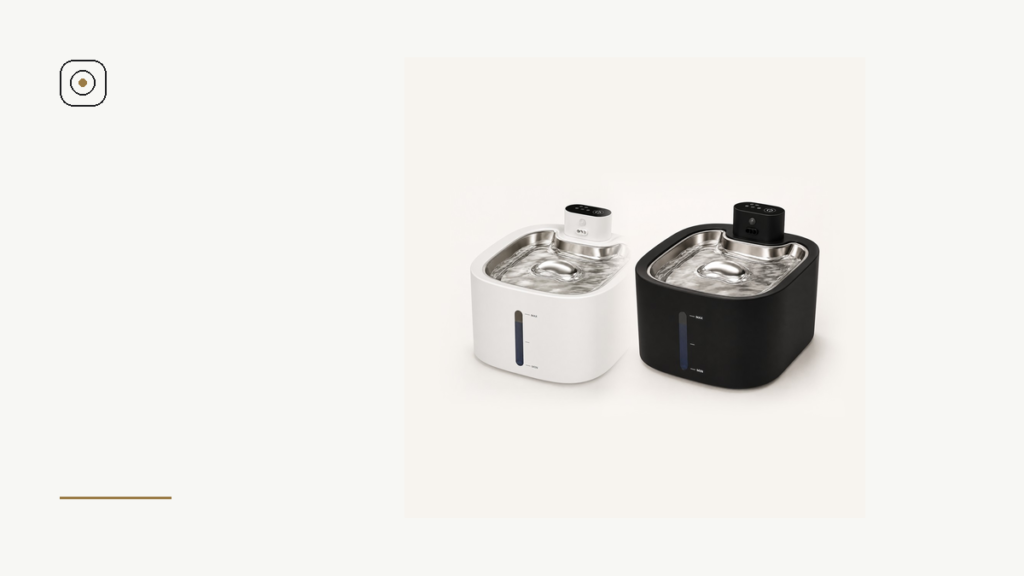
Short answer: for many cats, yes — but not all of them, and the honest reasons are narrower than most marketing suggests. Here is the case for and against, from a company that sells them.
The actual argument for a fountain
Many cats show more interest in moving water than still water. It is why a cat who ignores a full bowl will supervise a running tap with total attention. A fountain gives them moving water permanently, rather than only when you happen to be at the sink.
Beyond preference, there are three practical differences:
- Water stays fresher between changes. Circulation through a filter slows the stale, filmy surface that forms on standing water — particularly noticeable in an Australian summer.
- It holds more. A fountain reservoir outlasts a bowl, which matters if you work long days.
- Filtration catches debris. Hair, litter granules and dust get pulled out rather than floating on top.
What none of this means is that a fountain will make a cat drink. It removes the reasons a cat might avoid a bowl. That is a real but modest claim, and any brand promising more than that is overselling.
The honest case against
They need cleaning, and more than a bowl does. A weekly rinse plus regular filter changes is the reality. Skip it and a fountain becomes worse than a bowl — biofilm builds in a warm, wet, circulating environment. If you know you will not keep up with it, a bowl you actually wash daily is the better choice.
They cost more to run. The unit is $25–$1,200 in Australia, plus filters for as long as you own it. Our 7-pack is $24.95 (about $3.56 a filter); other brands often run higher per filter. Over a year, filters can outweigh the price gap between two fountains.
They make noise. Most are quiet in normal use, but pumps get louder as they age or when the water runs low. In a small apartment or a bedroom, that matters.
Some cats simply refuse. A minority never take to them. It is usually a placement or transition problem, but not always — and if your cat is happily drinking from a bowl and you have no concerns, there may be nothing here to fix.
When a fountain is genuinely worth it
- Your cat drinks from taps, glasses, or the shower — a strong sign of a moving-water preference
- You are out for long stretches and the bowl goes stale or empty
- You live somewhere hot, where still water becomes unappealing fast
- You have multiple cats and want more water available in more places
- You are prepared to do the weekly clean, honestly
When it probably is not
- Your cat drinks well from a bowl and nothing seems wrong
- You know you will not keep up with the maintenance
- Noise would genuinely bother you in a small space
- You are hoping it will solve a medical concern — that is a conversation for your vet, not a purchase
A note on health claims
You will see fountains marketed as preventing urinary or kidney problems. We do not make those claims and we would treat them sceptically anywhere. Hydration matters to cats, and a fountain may help a cat drink more readily — but a fountain is not a treatment and no one selling one can promise a medical outcome. If you are worried about your cat’s drinking, health or urinary habits, speak to your vet.
The bottom line
A fountain is a small quality-of-life upgrade for a cat that prefers moving water, and a maintenance chore you have signed up for. If your cat hovers around taps and you will do the weekly rinse, it is an easy yes. If neither is true, save your money.
If it is a yes, ours is the SHAEVRA Flow — cordless, $94.95, free shipping Australia-wide. Compare it against everything else in our honest Australian roundup, or read what the cleaning actually involves before you decide.